Last Update: 3 October 2025
Recent widespread power outages in Australia underscore the critical need for resilient energy infrastructure, sparking interest in solutions like underground power lines and broader smart electrical systems. These advanced systems offer significant benefits for businesses, including enhanced energy efficiency through automated controls and daylight harvesting, improved operational reliability via predictive maintenance, and heightened safety and security with integrated alarms and biometric access. They also provide valuable data-driven insights for better decision-making.
Beyond these core advantages, smart electrical systems optimize HVAC, ensure power quality, and bolster IT infrastructure, with tailored applications across diverse sectors like retail, healthcare, and manufacturing. While implementation presents challenges, the long-term returns on investment, coupled with future trends in IoT, AI, and renewable energy integration, position smart electrical solutions as essential for Sydney businesses aiming for efficiency, sustainability, and a competitive edge in a rapidly evolving energy landscape.
Thinking about installing underground power lines? Explore the benefits, like increased safety and fewer outages, and weigh them against the costs. Understand whether this long-term investment is the right choice for your home or business.
In a shocking turn of events, over 35,000 homes and businesses in eastern Australia found themselves without power due to wild weather, highlighting the vulnerability of existing power infrastructure. Some areas face outages that could last more than a week, leaving Victorians calling for urgent improvements to electricity networks. The impact is particularly severe on hospitality businesses, which are forced to discard food stocks with uncertain insurance coverage for their losses.
As power companies work tirelessly to remove debris and repair damage, the extended timeline for full restoration has ignited a debate about the resilience of our energy systems. This situation has fueled growing interest in underground power lines as a potential solution to prevent such widespread and prolonged outages in the future.
In today’s rapidly evolving energy landscape, creating more reliable and robust power infrastructure has never been more pressing or relevant.
Underground Power Lines: A Closer Look
Underground power lines offer an alternative to traditional overhead systems, sparking interest in Australia and globally.
What Are They?
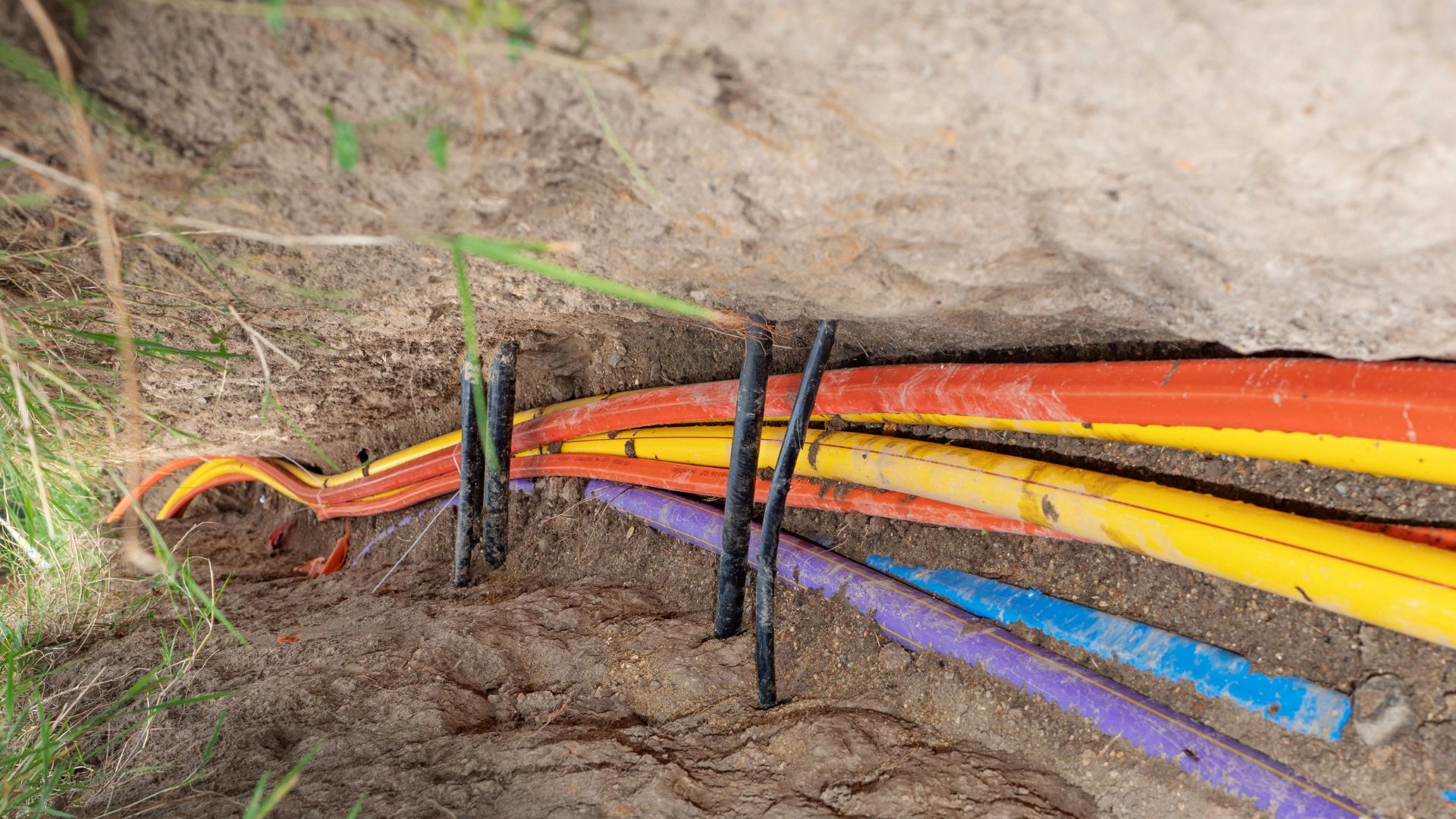
Underground power lines are electrical cables buried beneath the earth’s surface, contrasting with overhead lines suspended on poles. They comprise insulated conductors in protective conduits that withstand soil conditions and moisture.
Smart electrical systems have come a long way from traditional setups. In the past, electrical systems were simple – they supplied power without much control. You had to switch things on and off manually. Now, smart systems think for themselves. They can make decisions about when to use power and how much to use.
These new systems also give businesses more information about their energy use, helping them make better choices about saving power and money. Smart electrical systems are becoming more common in Sydney businesses as technology keeps improving, helping them run more efficiently and save resources.
Benefits for Businesses
Smart electrical systems offer businesses a range of advantages that can transform their operations. Let’s explore the key benefits these advanced systems offer:
Energy Efficiency and Cost Savings
Smart systems help businesses use less power. They automatically turn off lights and appliances when not needed. These systems can also adjust heating and cooling based on the weather and the number of people in a building. This clever use of energy leads to lower electricity bills. Many Sydney companies have seen their power costs drop significantly after installing smart systems.
Improved Operational Reliability
These intelligent systems can spot problems before they cause breakdowns. They monitor electrical equipment and alert staff when something needs attention. This proactive approach reduces unexpected outages and keeps business running smoothly. It benefits shops, factories, and offices with a constant power supply.
Enhanced Safety and Security
Smart electrical systems boost workplace safety. They can detect electrical faults and shut off power to prevent fires or accidents. These systems also work with security cameras and alarms, creating a safer environment for staff and customers. In an emergency, they can guide people to exits using smart lighting.
Data-Driven Insights for Decision Making
One of the biggest perks of smart systems is the information they provide. They collect data on energy use, equipment performance, and building occupancy. Business owners can use this information to make smart choices about their operations. For example, they might change their opening hours based on when most customers visit or replace inefficient equipment using too much power.
Smart Lighting Solutions
Smart lighting solutions are revolutionising how businesses illuminate their spaces. These innovative systems combine cutting-edge technology with energy-efficient practices to create optimal lighting environments.
Automated Lighting Controls
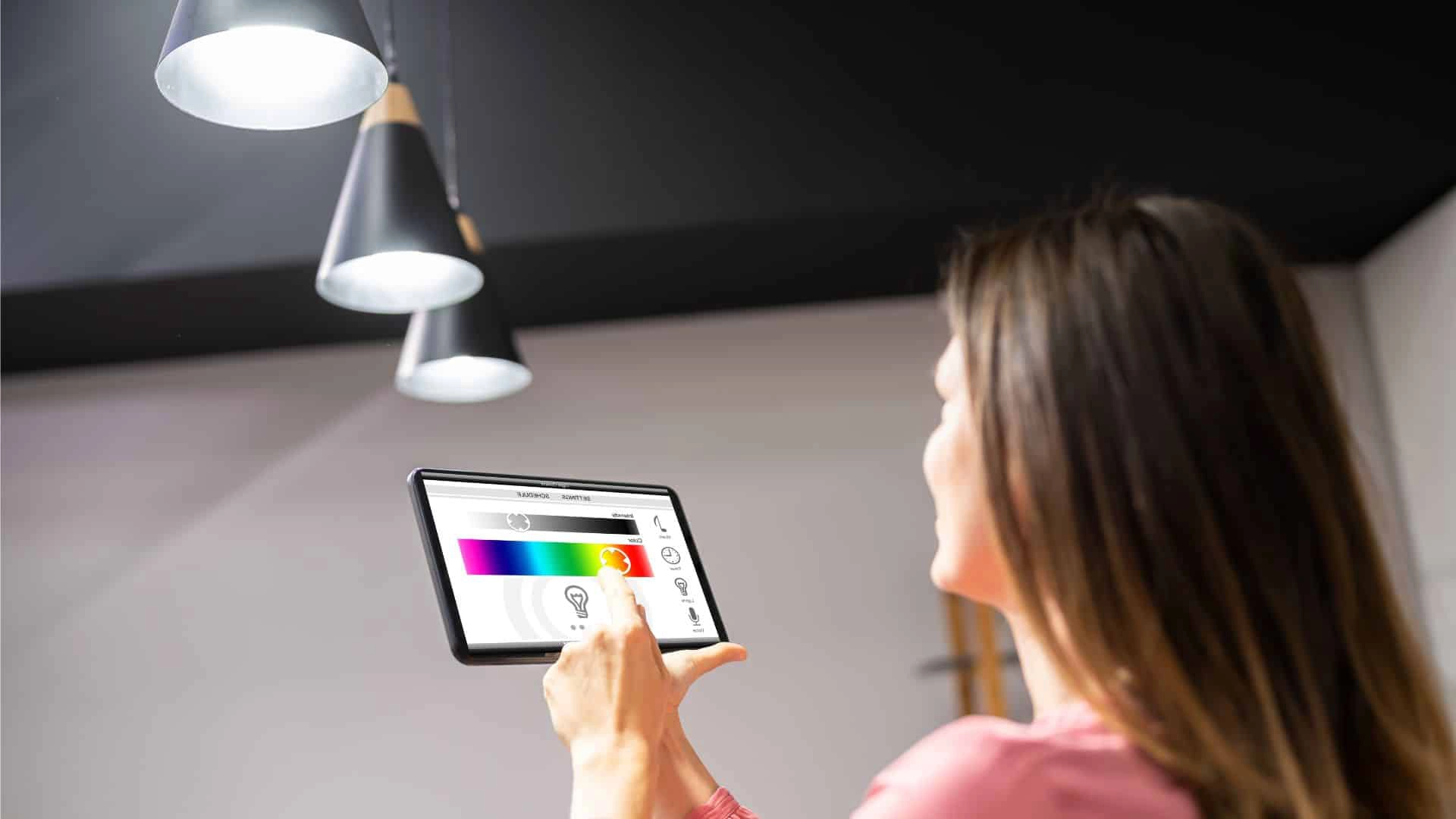
Modern businesses can control their lights with a button or voice command. Automated systems allow for precise scheduling, ensuring lights are on when needed and off when they’re not. This level of control extends to adjusting brightness and colour temperature throughout the day, creating comfortable and productive workspaces.
Occupancy Sensors and Daylight Harvesting
Occupancy sensors detect when people are in a room and adjust the lighting accordingly. Empty spaces no longer waste energy on unnecessary illumination. Daylight harvesting takes advantage of natural light, automatically dimming artificial lighting when sunlight is abundant. This smart approach reduces energy consumption while maintaining ideal light levels for work and comfort.
LED Technology Integration
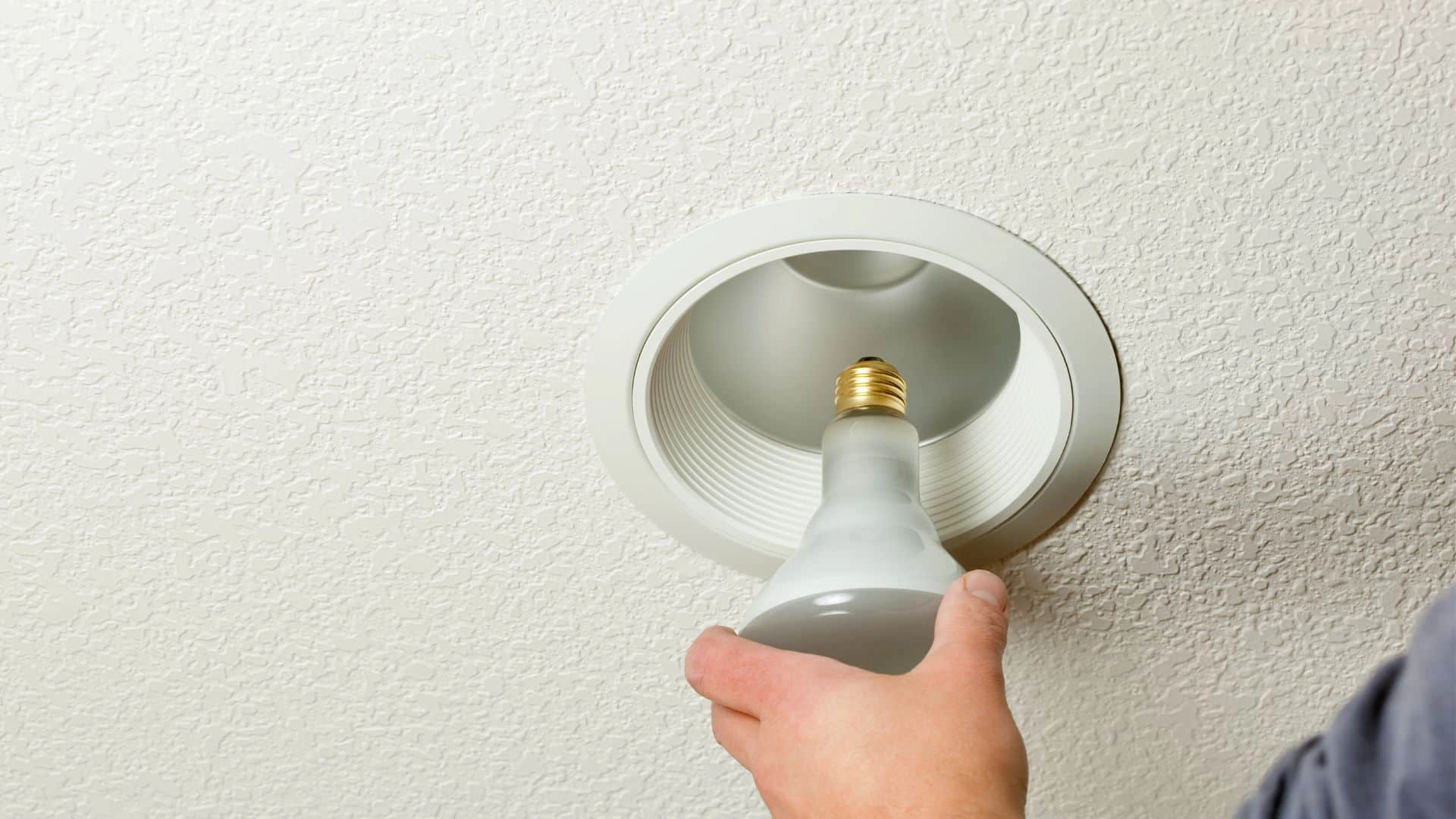
LED lights are a game-changer in the world of smart lighting. They use less energy, last longer, and offer more flexibility than traditional bulbs. When integrated with smart systems, LEDs can change colour and intensity to suit different tasks or times of day. They also provide better quality light, reducing eye strain and improving workplace wellbeing. The long lifespan of LEDs means fewer replacements, saving businesses time and money on maintenance.
HVAC and Energy Management
Smart HVAC and energy management systems are changing how businesses control their indoor climate and power use. These clever setups help keep everyone comfortable while saving energy and money.
Smart Thermostats and Zoning
Smart thermostats learn when people use different parts of a building. They adjust the temperature in each area to match, so you’re not cooling empty rooms. Zoning lets you set different temperatures for different regions. This means the workshop can stay cool while the office is warmer, keeping everyone happy.
Predictive Maintenance
These smart-systems can tell when something might break before it happens. They monitor how the HVAC equipment works and let you know if something needs fixing. This helps avoid surprise breakdowns and keeps the system running smoothly all year round.
Load Balancing and Peak Demand Management
Smart energy systems can spread out power use to avoid big spikes. They might turn down the air con when many other things use power. This helps businesses avoid paying extra for using too much electricity at once. The system can also use stored energy during peak times to decrease costs.
Power Quality and Reliability
Power quality and reliability are crucial for Sydney businesses, ensuring smooth operations and protecting sensitive equipment. Smart electrical systems offer advanced solutions to maintain a stable and consistent power supply.
Voltage Regulation and Harmonics Control
Smart systems keep the power steady, preventing sudden spikes or drops that can damage equipment. They also manage harmonics and distortions in the electrical current that can cause problems. This helps keep machines running correctly and extends their lifespan.
Uninterruptible Power Supplies (UPS)
UPS systems act like a safety net for power. If the main power goes out, they kick in immediately to keep critical equipment running. This is especially important for businesses like data centres or hospitals that can’t afford downtime.
Fault Detection and Self-Healing Capabilities
These clever systems can spot problems in the electrical network quickly. Sometimes, they can even fix issues on their own without human help. If there’s a fault in one part of the system, they can reroute power to keep things running. This means fewer blackouts and less disruption to business operations.
Security and Access Control
Smart electrical systems have transformed security and access control for Sydney businesses. These advanced setups offer a comprehensive approach to protecting people, property, and information.
Integrated Security Systems
Modern security systems work together seamlessly. Alarms, cameras, and access controls all talk to each other, creating a robust defence network. This integration allows quick responses to potential threats and better overall security management.
Biometric Access Controls
Fingerprints, facial recognition, and even eye scans are now used to control who enters different building areas. These systems are more secure than traditional keys or cards, which can’t be easily copied or stolen.
Video Surveillance and Analytics
Smart cameras don’t just record; they analyse what they see. They can spot unusual behaviour, count people, and even recognise faces. This helps businesses prevent theft, manage crowds, and respond quickly to incidents.
Data Centers and IT Infrastructure
Data centres and IT infrastructure are the backbone of modern Sydney businesses. Smart electrical systems are crucial in keeping these complex environments running efficiently and reliably.
Power Distribution Units (PDUs)
Smart PDUs manage the power supply to servers and other IT equipment. They monitor energy use in real time, allowing IT managers to spot inefficiencies quickly. These units can also remotely switch power on and off to individual outlets, making maintenance more manageable and flexible.
Cooling System Optimisation
Keeping data centres cool is essential for their operation. Smart cooling systems use sensors to detect hot spots and adjust airflow automatically. This targeted approach saves energy compared to cooling the entire space uniformly. Based on IT workloads, the system can also predict when cooling needs will change.
Redundancy and Failover Mechanisms
Smart systems ensure data centres keep running even if something goes wrong. They automatically switch to backup power sources if the main supply fails. If one server or network path has a problem, the system can instantly reroute data through alternative channels. This redundancy minimises downtime and keeps business-critical systems operational.
Industry-Specific Applications
Smart electrical systems are transforming industries across Sydney, offering tailored solutions to meet specific sector needs. Let’s explore how these advanced systems are applied in different business environments.
Retail
Smart POS systems in shops connect directly to inventory management, updating stock levels in real-time as sales occur. This integration helps prevent overstocking and ensures popular items are always available. Intelligent lighting and climate control create a comfortable shopping environment while reducing energy costs.
Healthcare
In hospitals and clinics, smart systems manage power supply to critical equipment, ensuring uninterrupted operation. They prioritise power to life-saving devices during outages and monitor equipment performance to schedule preventive maintenance, reducing the risk of unexpected failures during crucial procedures.
Hospitality
Hotels use guest room automation to enhance comfort and save energy. Lights, air conditioning, and curtains can adjust automatically based on guest preferences or occupancy. Energy-efficient amenities like smart minibars and televisions help reduce overall power consumption without compromising the guest experience.
Manufacturing
Smart systems in factories monitor production lines in real-time, identifying bottlenecks and inefficiencies. They track equipment performance, predicting maintenance needs before breakdowns occur.
This proactive approach improves productivity and reduces costly downtime. Energy use is optimised by adjusting the power supply to match production demands, leading to significant cost savings.
Implementation Challenges and Solutions
The initial investment often seems steep, but businesses can offset this through phased implementation and focusing on areas with the quickest return on investment.
Integrating new systems with existing infrastructure requires a thorough assessment and may involve upgrading some components.
However, many smart systems are designed to work alongside older equipment, easing the transition. Staff training is crucial for maximising the benefits of these new technologies.
Offering comprehensive training programs and appointing tech-savvy team members as system champions can smooth the adaptation process.
Cybersecurity is a top priority, as smart systems are connected to networks. Robust security measures, regular updates, and staff education on best practices are essential to protect against potential threats.
With these considerations addressed, businesses can successfully shift to smart electrical systems.
Future Trends in Smart Electrical Systems
The future of smart electrical systems in Sydney businesses looks bright, with several exciting trends on the horizon. IoT integration is set to expand, connecting more devices and systems for seamless operation and data sharing. This increased connectivity will allow for more comprehensive energy management and operational insights.
Artificial Intelligence and machine learning will play a bigger role, enabling systems to predict energy needs, automate complex decisions, and adapt to changing conditions without human intervention. These technologies will make smart systems even more efficient and responsive.
Renewable energy integration is becoming increasingly important. Smart systems will better manage power flow from solar panels, wind turbines, and other green sources, balancing them with traditional power supplies.
Microgrid capabilities are also gaining traction. These localised grids can operate independently from the primary power grid, providing businesses with greater energy security and the ability to use more renewable sources. This trend is up-and-coming for remote locations or businesses requiring uninterrupted power supply.
Powering Sydney’s Smart Future
Smart electrical systems are revolutionising Sydney’s business landscape, offering unparalleled benefits in energy efficiency, operational reliability, and cost savings.
These advanced systems are not just a luxury but a necessity for companies aiming to stay competitive in today’s fast-paced, environmentally conscious market. From retail to healthcare, manufacturing to hospitality, smart electrical solutions drive innovation and productivity across all sectors.
As Sydney moves towards a smarter, more connected future, businesses need expert partners to navigate this technological shift. This is where Pro Electrical steps in. With years of experience in commercial electrical services, Pro Electrical specialises in implementing cutting-edge smart electrical systems tailored to your business needs. Our team of skilled professionals understands Sydney’s business environment’s unique challenges and opportunities.
Don’t let your business fall behind. Contact Pro Electrical today to explore how our smart electrical solutions can transform operations, boost efficiency, and secure your place in Sydney’s smart future.
Published by: Daniel Vasilevski3 October 2025