Last Update: 3 October 2025
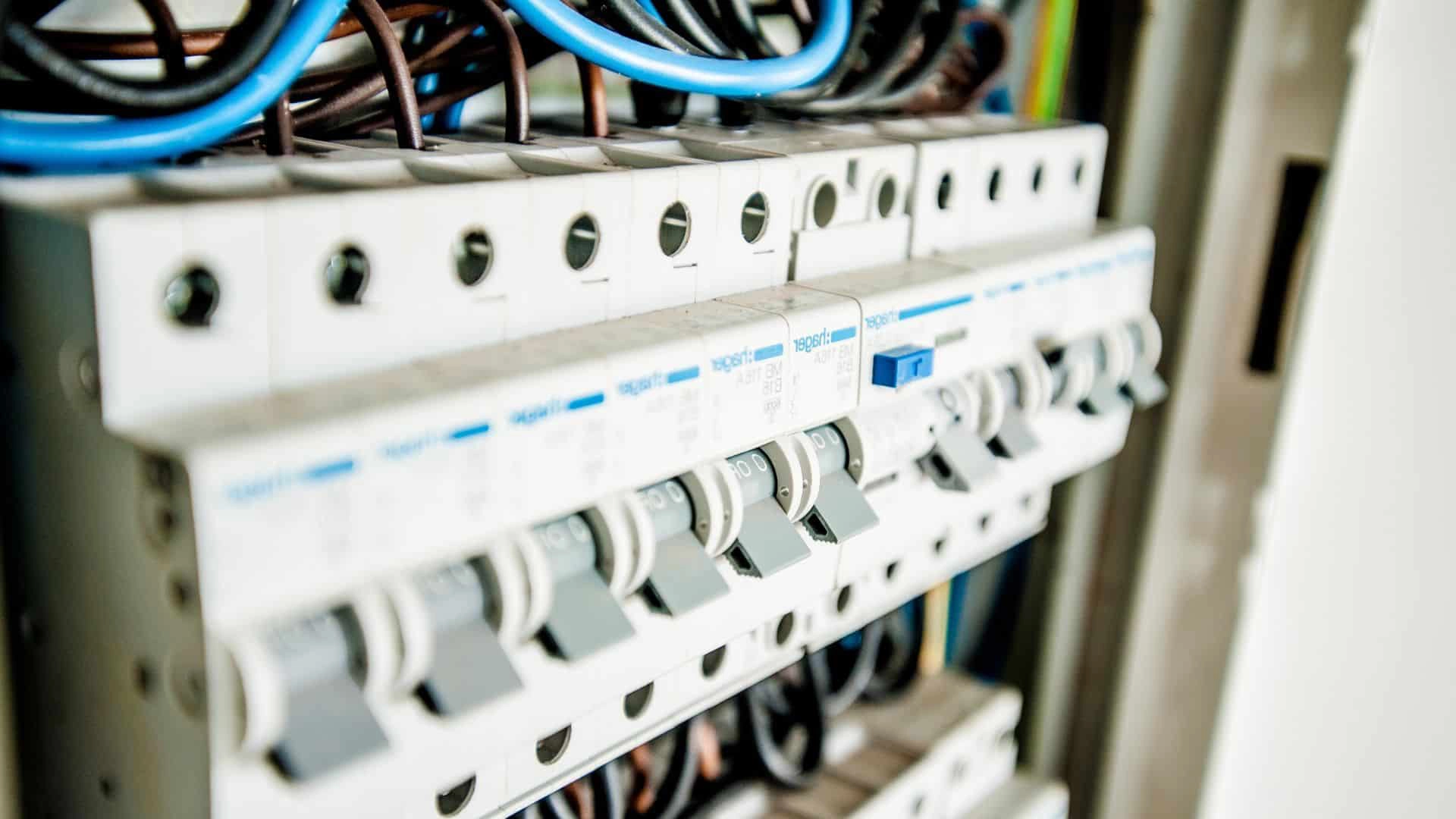
Understanding electrical faults is crucial for homeowner safety, as faulty systems contribute to a significant percentage of house fires. This guide details common electrical issues like short circuits, ground faults, and overloaded circuits, alongside critical warning signs such as flickering lights, burning smells, and frequently tripping circuit breakers. It also explores underlying causes, including aging wiring, improper DIY work, pests, moisture, and power surges, all of which pose serious risks like fires and electrical shocks.
The article emphasizes the importance of regular professional maintenance and knowing when to call a licensed electrician for complex problems beyond simple troubleshooting. By identifying and addressing issues early, homeowners can prevent costly repairs and dangerous incidents, ensuring a safe and reliable electrical system. Pro Electrical is highlighted as a trusted provider for fault detection, emergency repairs, and system maintenance, offering expert solutions to keep homes safe and powered.
This essential guide provides practical advice on identifying and addressing common electrical faults at home, keeping your property safe, and preventing hazards.
Did you know that faulty electrical systems account for over 50% of house fires in Australia annually? This alarming statistic underscores the critical need for effective fault detection services in every home. These services identify existing issues and help prevent potential hazards, ensuring a safe living environment for you and your family.
We will explore essential factors when choosing the right fault detection service. From understanding the types of faults to evaluating the experience of professionals, every decision impacts the safety and efficiency of your home.
Readers will gain insights into researching reputable services, comparing costs, and the importance of clear communication. With the correct information, making an informed choice will enhance your home’s safety and provide peace of mind.
Common Types of Electrical Faults in Homes
Electrical faults occur when the normal flow of electricity is disrupted, leading to potential hazards such as fires, shocks, or equipment damage. These issues are often hidden but can have severe consequences if left unaddressed. Understanding the most common faults helps homeowners identify and respond to problems effectively.
Short Circuits
These occur when live and neutral wires come into direct contact, causing a surge of electricity that can overheat wiring and potentially lead to fires. This often happens due to damaged insulation or faulty wiring.
Ground Faults
A ground fault arises when electricity deviates from its intended path and flows directly to the ground. Commonly caused by damaged wiring or water exposure, ground faults increase the risk of electrical shocks.
Overloaded Circuits
Plugging too many devices into a single circuit causes it to carry more current than it can handle. Overloading can lead to overheating and frequent tripping of circuit breakers.
Arc Faults
These occur when electrical connections produce high-intensity heat due to damaged or loose wiring, posing a significant fire risk.
Loose Wiring
Poor connections or ageing wires can lead to intermittent power supply, sparking, and overheating, which can often escalate into dangerous faults.
Warning Signs of Electrical Problems
Electrical systems often give clear signals when something is wrong. Ignoring these warning signs can lead to dangerous situations, so staying alert is essential.
- Flickering or dimming lights are among the most noticeable indicators. They could indicate faulty wiring, loose connections, or overloaded circuits.
- A burning smell near outlets or switches is a severe warning that wires or components may be overheating, which can result in fires if not addressed quickly.
- Circuit breakers tripping repeatedly suggests that circuits are overloaded or a short circuit needs immediate attention.
- Warm or sparking outlets are another concerning sign, as they indicate poor connections or ageing wiring that can pose significant risks.
- Buzzing or humming sounds coming from switches, outlets, or the breaker box often mean there is a problem with the flow of electricity, such as loose wiring or faulty components.
Catching these issues early can prevent severe damage to your home and appliances. Prompt action reduces the risk of electrical fires and other hazards while avoiding costly repairs.
Causes of Electrical Faults
Several factors contribute to electrical faults in homes, each posing unique risks. Understanding these causes can help homeowners take preventative measures and ensure a safe electrical system.
- Ageing wiring systems are a common culprit. Over time, insulation deteriorates, and connections loosen, making older homes particularly susceptible to faults.
- DIY electrical work often leads to errors that compromise safety, such as incorrect wiring or overloading circuits. Improper installations can cause ongoing issues and increase the risk of fires.
- Pests and moisture are hidden threats to electrical systems. Rodents can chew through wiring while damp conditions corrode components, leading to faults or short circuits.
- Outdated appliances can also draw excessive power, straining circuits not designed to handle modern energy demands.
- Power surges from storms or grid fluctuations can harm wiring, appliances, and circuit boards. These surges often go unnoticed until they cause visible damage.
Regular maintenance and inspections are crucial to identifying and addressing these issues early. Licensed electricians can assess the system’s condition, ensuring risks are resolved before they escalate into costly or dangerous problems. Proactive care protects your home and keeps the electrical system running safely.
Electrical Faults and Safety Risks
Electrical faults can have serious consequences, making it vital to address them promptly. Ignoring these issues increases the likelihood of dangerous incidents that can harm people and property.
Fire hazards are one of the most significant risks posed by electrical faults. Overheating wires, short circuits, and arc faults can ignite nearby materials, leading to house fires that threaten lives and cause devastating damage.
Electrical shocks or injuries are another danger, often resulting from exposed wires, faulty outlets, or improper grounding. These incidents can range from minor injuries to severe harm, especially if high voltage is involved.
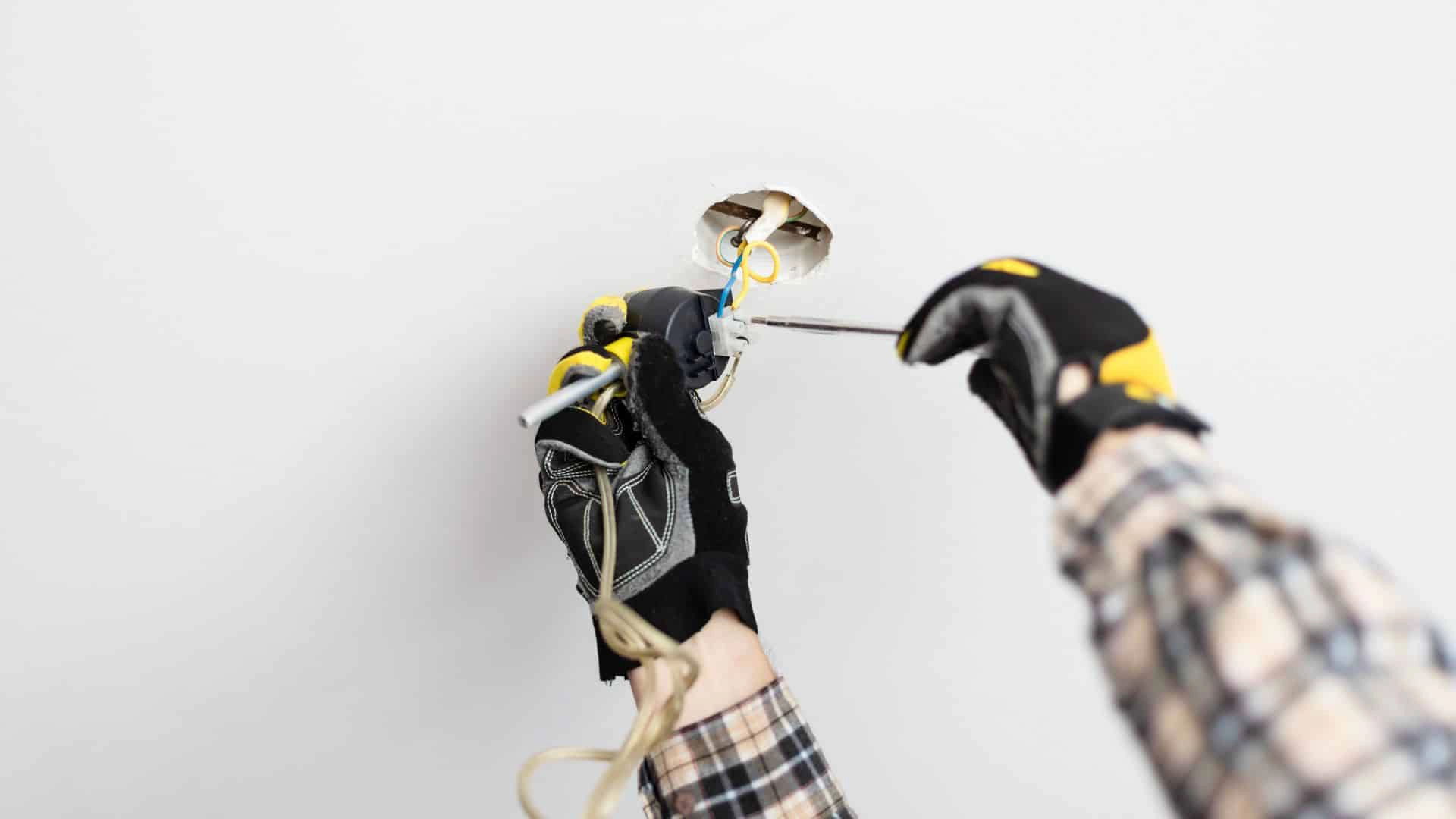
Appliances connected to faulty circuits are also at risk. Power surges, uneven voltage, and frequent breaker tripping can damage electronics, shortening their lifespan or rendering them unusable.
Extended power outages caused by electrical faults can disrupt daily life and lead to further issues, such as food spoilage or loss of heating and cooling.
Addressing electrical faults quickly is critical for protecting your home and family. Regular inspections and professional repairs reduce these risks, ensuring a safe and reliable electrical system that supports your household’s needs without compromising safety.
What Homeowners Can and Can’t Do
Some electrical issues can be addressed safely at home, but understanding your limits is essential.
- Most homeowners can manage simple tasks like resetting tripped circuit breakers. When a breaker trips, switching it back to the “on” position after reducing the load on the circuit is a straightforward fix.
- Another task that can be handled safely is replacing fuses, provided the power is turned off, and the replacement fuse matches the original specifications.
- Inspecting and unplugging faulty appliances that cause frequent tripping or overheating can also help prevent further issues.
- More complex tasks, such as working on wiring or handling live circuits, should always be left to licensed electricians. Attempting repairs without the proper tools and training increases the risk of electrical shocks, fires, or extensive damage.
Safeguarding your home and ensuring compliance with electrical safety standards requires professional expertise for anything beyond basic troubleshooting.
The Importance of Regular Electrical Maintenance
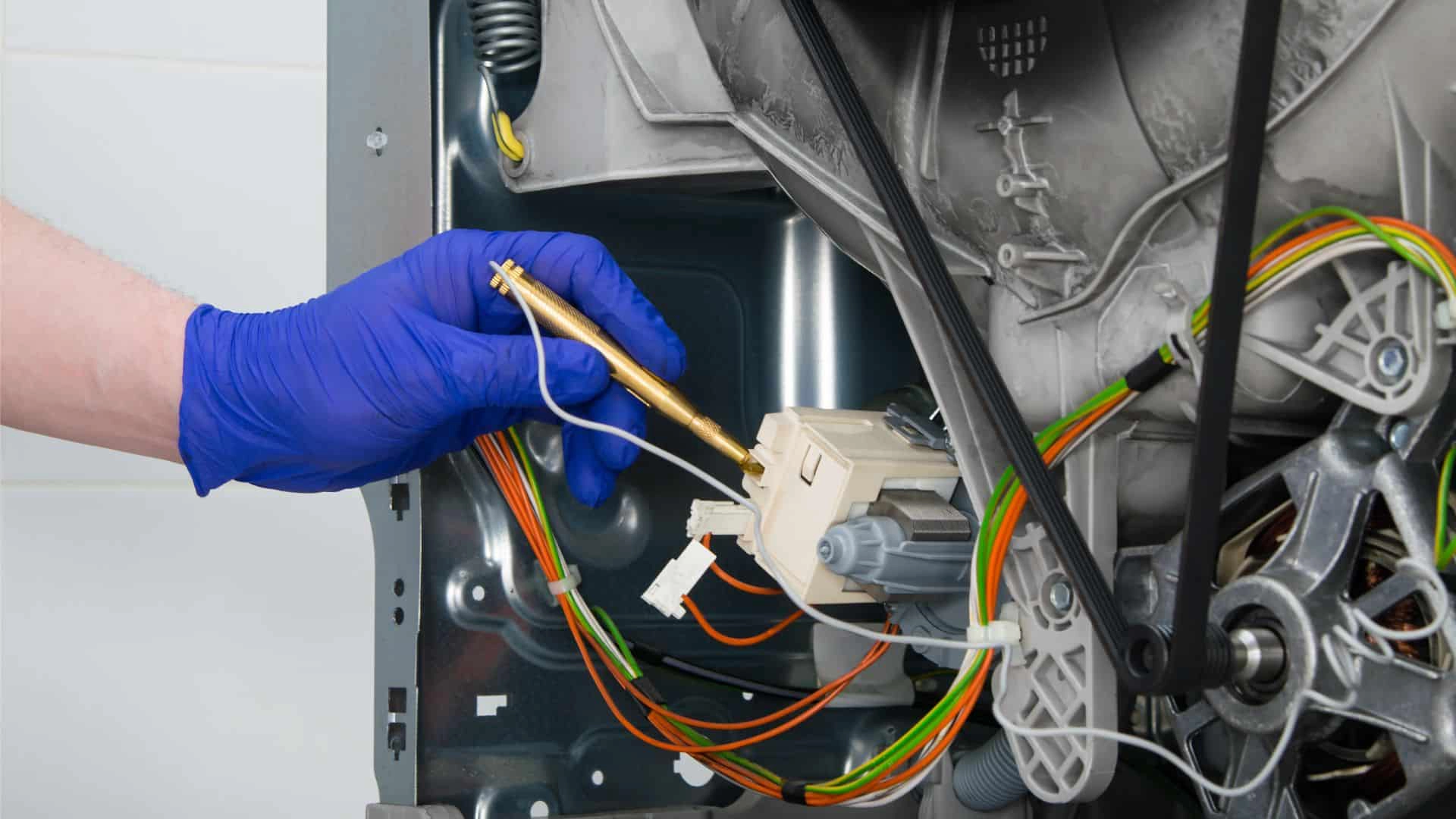
Regular electrical maintenance is vital for ensuring the reliability and safety of your home’s system. Consistent inspections help identify potential problems early, preventing costly repairs and reducing the risk of hazards like fires or shocks. A well-maintained system also efficiently supports modern energy demands without strain.
Common maintenance practices include:
- Testing safety switches ensures they trip effectively during a fault, preventing serious injuries or damage.
- Checking for loose connections reduces the likelihood of sparking and overheating, which can lead to faults or fires.
- Monitoring appliance performance helps detect equipment drawing excessive power or malfunctioning, which may compromise the system.
Periodic checks from licensed electricians provide a comprehensive evaluation of your system’s condition. Professionals can identify and resolve hidden issues, such as deteriorating wiring or overloaded circuits, safeguarding your home and family while extending the life of your electrical system.
Staying Safe During Electrical Emergencies
Electrical emergencies can happen without warning, posing serious risks to your home and family. Acting quickly and safely is crucial in these situations. Follow these tips to reduce danger and protect everyone involved:
- Turn off the main power supply immediately to stop the flow of electricity and prevent further harm.
- Avoid contact with water near electrical faults, as water conducts electricity and increases the risk of shocks.
- Keep safe from sparking or smoking outlets, switches, or appliances to avoid injuries or burns.
- Call a licensed electrician immediately to resolve the issue safely and professionally.
- Stay calm and ensure everyone in the household understands the importance of staying away from the affected area until the problem is resolved.
When to Call an Electrician
Some electrical problems demand professional expertise to ensure safety and proper resolution. Persistent circuit issues, such as frequent tripping or failure to reset, often indicate underlying faults that require specialised tools and knowledge. Exposed wires present immediate risks of shocks or fires and should never be handled without proper training.
Unexplained power fluctuations, such as sudden surges or dips, can damage appliances and indicate deeper system problems. Installing new appliances that require specific wiring or upgrades also calls for professional attention to meet safety standards. Licensed electricians provide accurate fault detection and reliable repairs, ensuring your system is safe and efficient.
Keeping Your Home Safe and Powered
Understanding electrical faults and recognising the signs of potential issues are vital steps in protecting your home and family. Staying vigilant and addressing problems early enhances safety and ensures your electrical system runs smoothly and efficiently. Regular checks and maintenance by skilled professionals are essential to prevent hidden faults from escalating into costly or dangerous situations.
Pro Electrical is a trusted provider of residential electrical services, offering expertise in fault detection, emergency repairs, and system maintenance. With a commitment to quality and safety, our team ensures your home’s electrical system is reliable and secure. Whether identifying risks, resolving emergencies, or providing routine inspections, we deliver professional solutions tailored to your needs. Contact Pro Electrical today to safeguard your home and keep it powered without compromise.
Published by: Daniel Vasilevski3 October 2025