Last Update: 2 April 2026

Faulty house electrical wiring is common in older Sydney homes and can present serious safety risks if not addressed. Common signs of wiring problems include flickering lights, burning smells, sparking outlets, non-working power points and frequently tripping safety switches. These issues are often caused by ageing wiring, overloaded circuits or damaged electrical cables.
In many cases, minor repairs may fix isolated faults. However, if electrical problems continue or the wiring system no longer meets Australian standards, a full or partial rewiring may be required. Upgrading house electrical wiring improves safety, supports modern appliances and ensures your electrical system can handle current power demands.
If you notice any of these signs, it’s important to have your wiring inspected by a licensed electrician to prevent further electrical issues or hazards.
Is Your House Electrical Wiring Safe or Showing Signs of Faults?
Many Sydney homes, especially older properties, have house electrical wiring that may no longer meet modern safety standards.
If your wiring system is outdated or damaged, it can lead to electrical faults, safety risks and ongoing electrical issues throughout your home.
Your electrical wiring is what powers everything—from lights and outlets to appliances and switches—so keeping it in safe condition is critical.
If you’re unsure about the condition of your home wiring, it’s always better to have it checked early.
1. Flickering Lights or Unstable Power
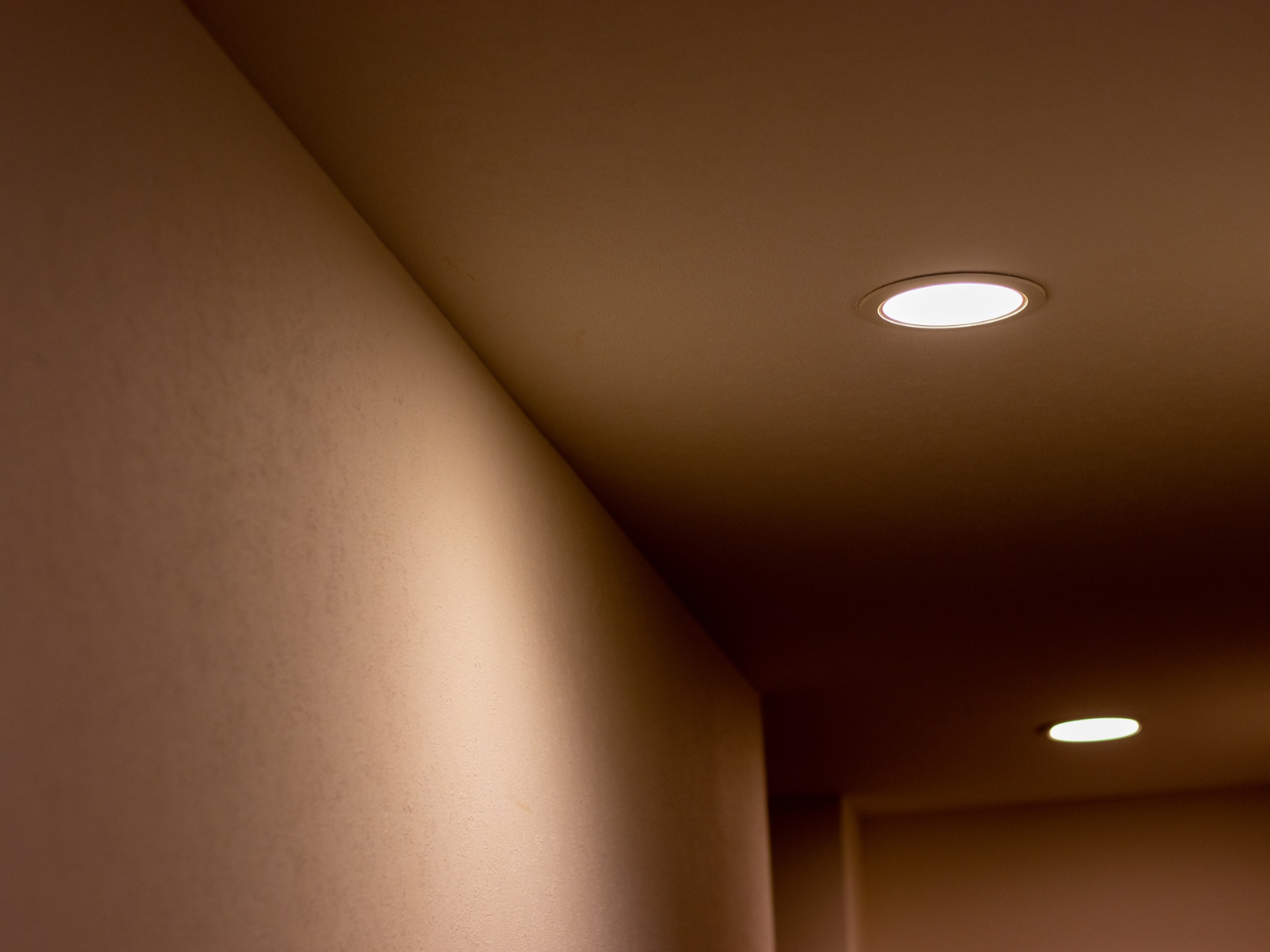
If your lights flicker or your power is inconsistent, it could point to issues within your electrical wiring system.
This is often caused by:
- Loose connections
- Worn or ageing cables
- Overloaded circuits
- Faults in electrical circuits
These problems can affect the performance of your electrical systems and should be investigated.
2. Burning Smell or Heat from Outlets
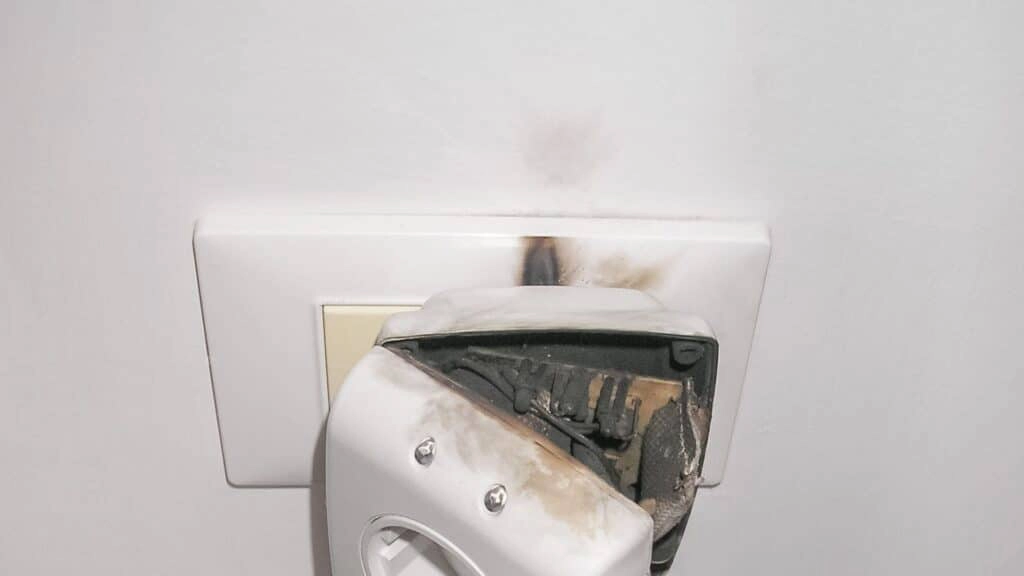
A burning smell is one of the most serious warning signs of faulty wiring.
You may also notice:
- Warm or discoloured outlets
- Heat around switches
- A faint burning or plastic smell
This can indicate damaged insulation, overheating cables or electrical hazards that increase the risk of electrical fires.
3. Sparks, Electrical Arcing or Visible Damage
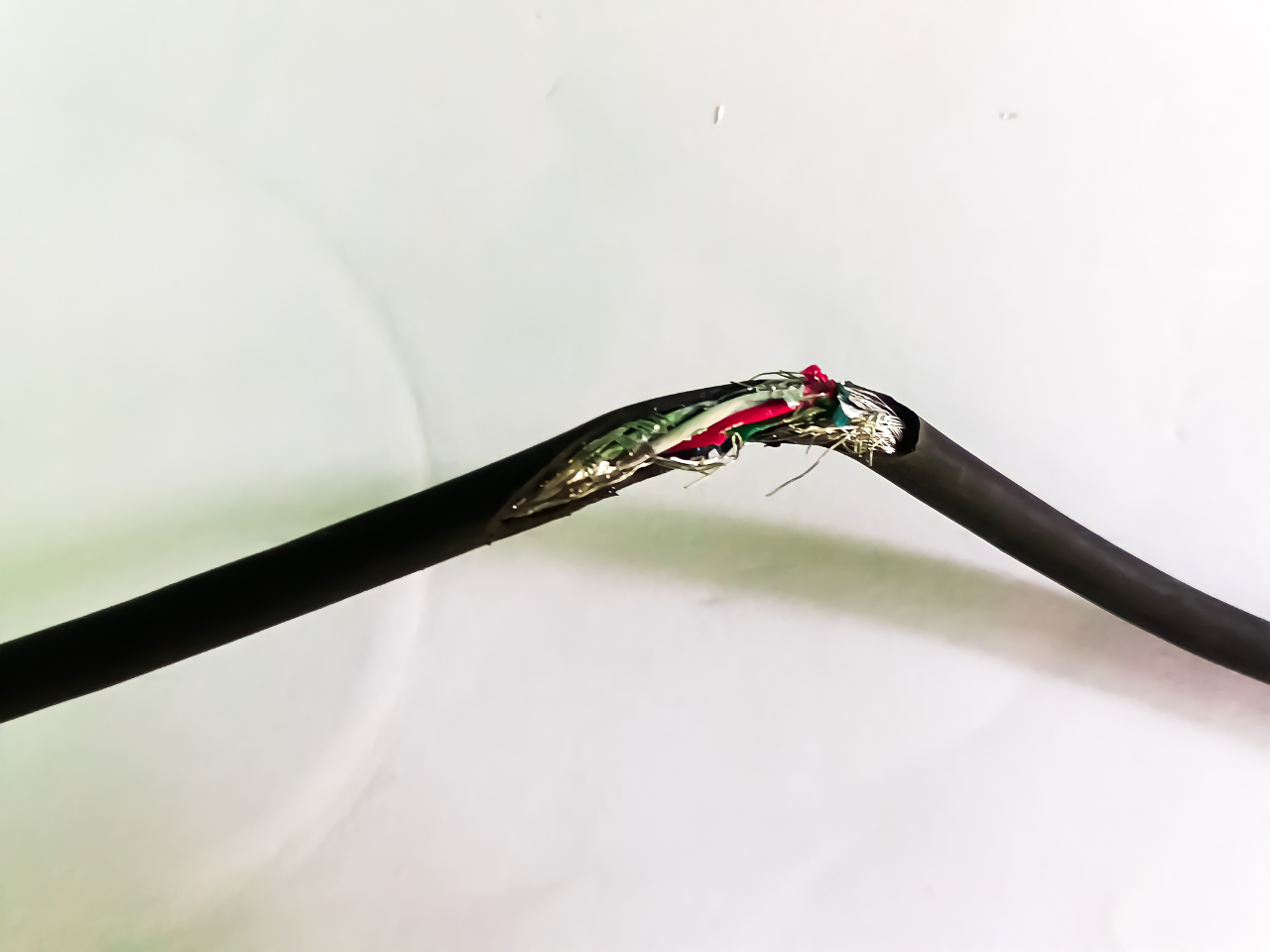
Sparks when plugging in appliances or turning on switches are not normal.
This may be caused by:
- Faulty wiring
- Damaged electrical cables
- Poor connections
- Issues with active wires
Electrical arcing is dangerous and should always be checked by a licensed electrician.
4. Power Points or Outlets Not Working
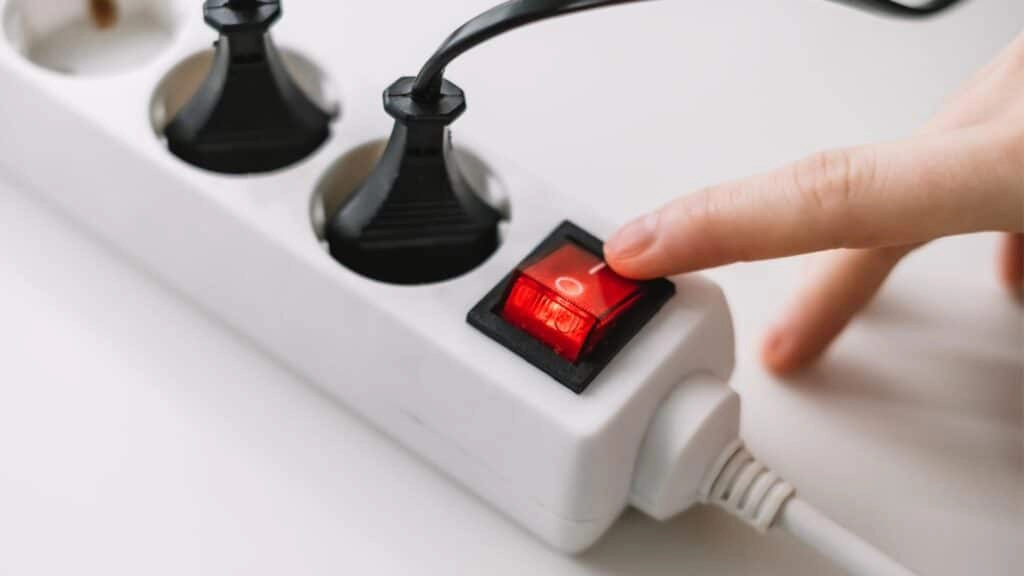
If some outlets stop working or only work occasionally, there may be a fault in your home wiring.
Common causes include:
- Broken or disconnected wiring
- Faulty switches or circuits
- Problems within the electrical panel or circuit breaker
This is especially common in older Australian homes with ageing wiring systems.
5. Frequent Tripping of Safety Switches or Circuit Breakers
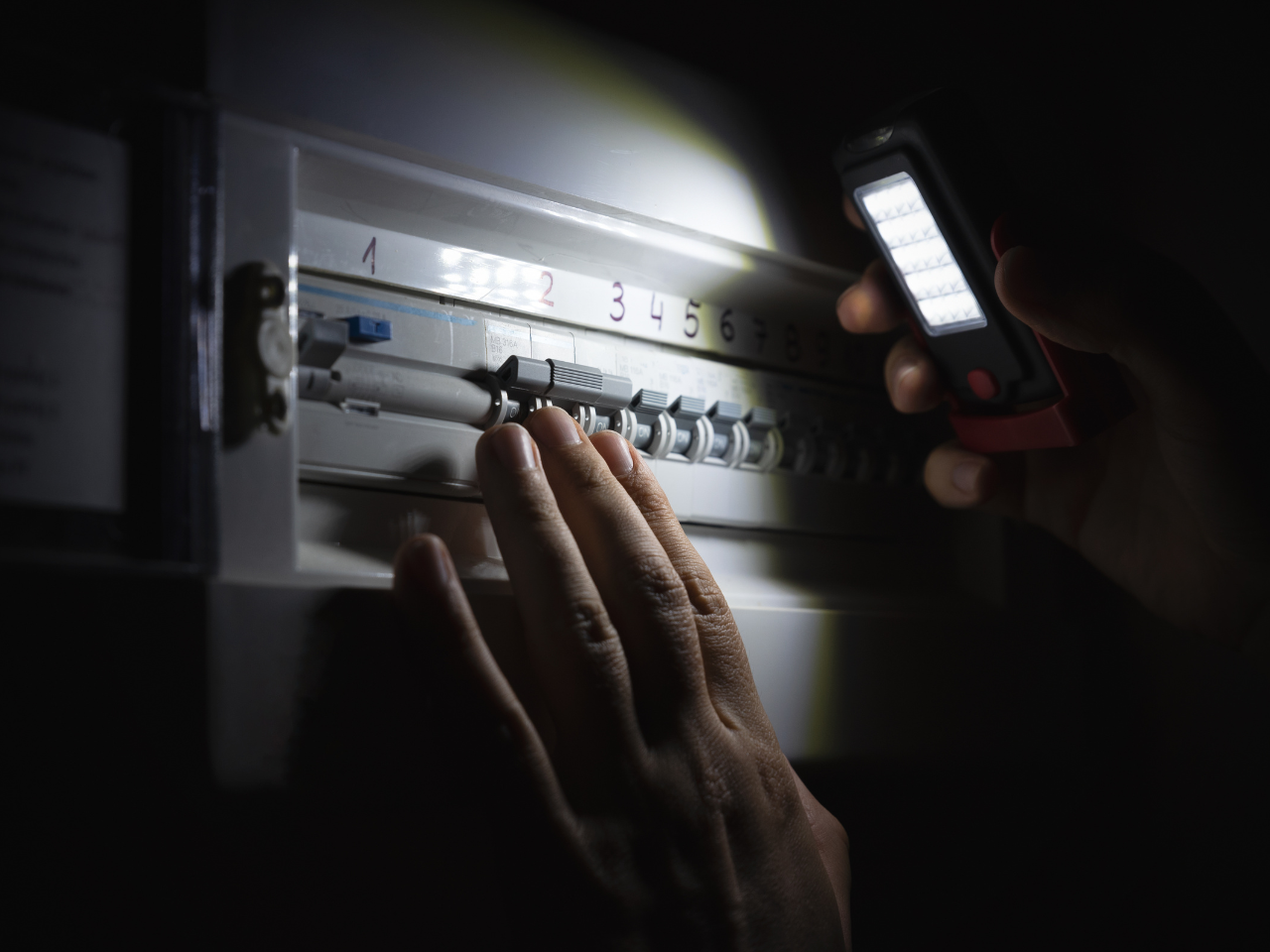
Safety switches and circuit breakers are designed to protect your home.
If they trip often, it may mean:
- Your wiring system is overloaded
- There are electrical faults in your circuits
- Appliances are placing too much demand on your system
Frequent tripping is a sign that your electrical system is not operating safely.
Types of Electrical Wiring Found in Sydney Homes
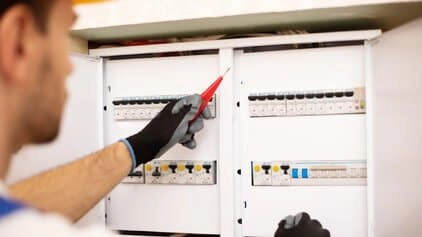
Different homes use different types of wiring, depending on age and construction.
Common types of wiring include:
- Copper wiring (modern standard)
- Aluminium wiring (older homes)
- Older insulated wiring systems
- New electrical wiring in recently updated homes
Older wiring systems are more likely to develop faults and may not meet current Australian standards.
Understanding Electrical Wiring Colours & Colour Codes
Electrical wiring colours follow a standard colour code in Australia.
These colours help identify different wires within your system, such as:
- Active wires
- Neutral wire
- Earth wire
Understanding wiring colours is important for electrical safety and compliance with Australian wiring rules.
Incorrect wiring or outdated colour coding can increase the risk of electrical faults and hazards.
When Are Repairs No Longer Enough?
In some cases, small repairs can fix isolated electrical issues. However, older wiring systems often require more than just patchwork fixes.
You may need full or partial rewiring when:
- Electrical faults keep returning
- Wiring is visibly damaged or deteriorating
- Your system cannot handle a modern electrical load
- Your wiring does not meet Australian safety standards
Replacing wiring ensures your home meets current safety requirements and reduces long-term risks.
How Upgrading Wiring Improves Efficiency
Upgrading your house's electrical wiring can improve both safety and performance.
Modern wiring systems are designed to:
- Handle higher electrical loads
- Support modern appliances and electrical equipment
- Improve electrical efficiency
- Reduce strain on circuits and connections
This helps your home run more efficiently and reduces the risk of electrical issues over time.
Electrical Safety, Standards & Regular Inspections
Electrical safety is critical in every home.
In Australia, all electrical work must meet strict safety and compliance standards.
Regular inspections can help identify:
- Faulty wiring
- Electrical hazards
- Issues with circuits, cables and connections
Routine checks by qualified electricians ensure your wiring system remains safe and compliant. Pro Electrical offers safety inspections for your house wiring, as well as smart metering checks.
Electrical Wiring Safety, Standards & What Australian Homeowners Should Know
Electrical wiring safety is critical for every Australian homeowner. Modern house wiring must meet strict Australian wiring standards to ensure your home and family are protected from electrical hazards.
A safe electrical wiring system includes:
- Proper installation of active wires, neutral wire and earth wire
- Correct use of wiring colour codes and electrical wiring colour codes
- Safe connections between cables, circuits and electrical systems
- Protection through safety switches and circuit breakers
Older Australian homes may not meet current safety standards, especially if the home wiring has not been updated in many years.
Regular electrical maintenance and inspections help identify risks early and ensure your system remains compliant with Australian standards.
If your wiring does not meet modern safety requirements, upgrading your electrical wiring system is the safest long-term solution.
Why Electrical Wiring Matters for Your Home
Your electrical wiring system is the foundation of your home’s power.
Faulty wiring can affect:
- Appliances
- Lighting
- Power supply
- Overall electrical performance
Maintaining safe wiring protects your home, your family and your electrical system.
Your house electrical wiring system is made up of multiple components working together to deliver power safely throughout your home.
These include:
- Electrical cables (often copper in modern systems)
- Circuits that distribute power to different areas
- Switches, outlets and electrical panel connections
- Live wire, neutral and earth wiring for safe operation
Different types of wiring are used depending on the age and design of the home. Older systems may use outdated materials or layouts that are no longer suitable for modern electrical load.
Faulty wiring, damaged cables or poor installation can lead to electrical faults, power issues and even increased electricity bills.
This is why a proper wiring project or upgrade should always be completed by qualified electricians who understand electrical wiring safety and compliance.
Need Your Home Wiring Checked?
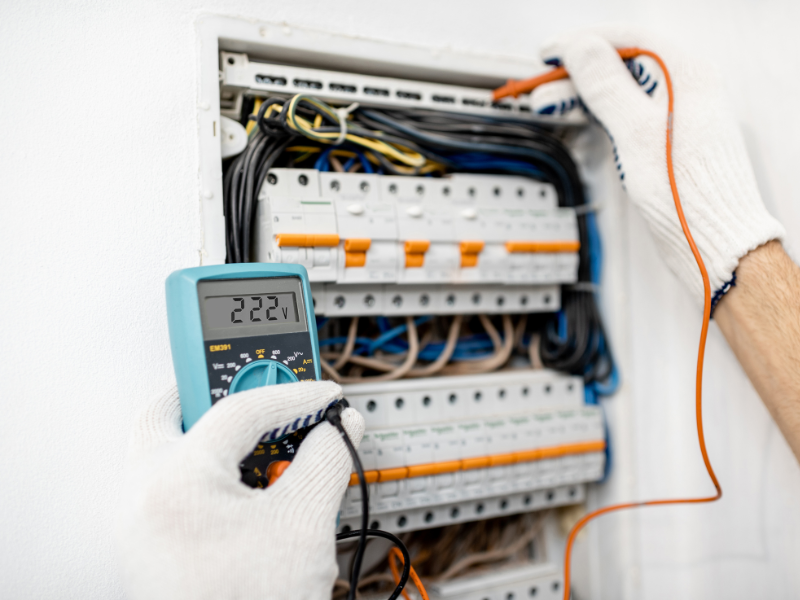
If you’ve noticed signs of faulty wiring or you’re unsure about the condition of your house's electrical wiring, it’s best to have it inspected by a licensed electrician.
Pro Electrical provides professional electrical inspections, fault finding and house wiring services across Sydney, helping homeowners identify issues early and ensure their electrical systems are safe and compliant.
Call 0485 900 302 or book now to have your home wiring checked by a qualified electrician.
Published by: Daniel Vasilevski2 April 2026